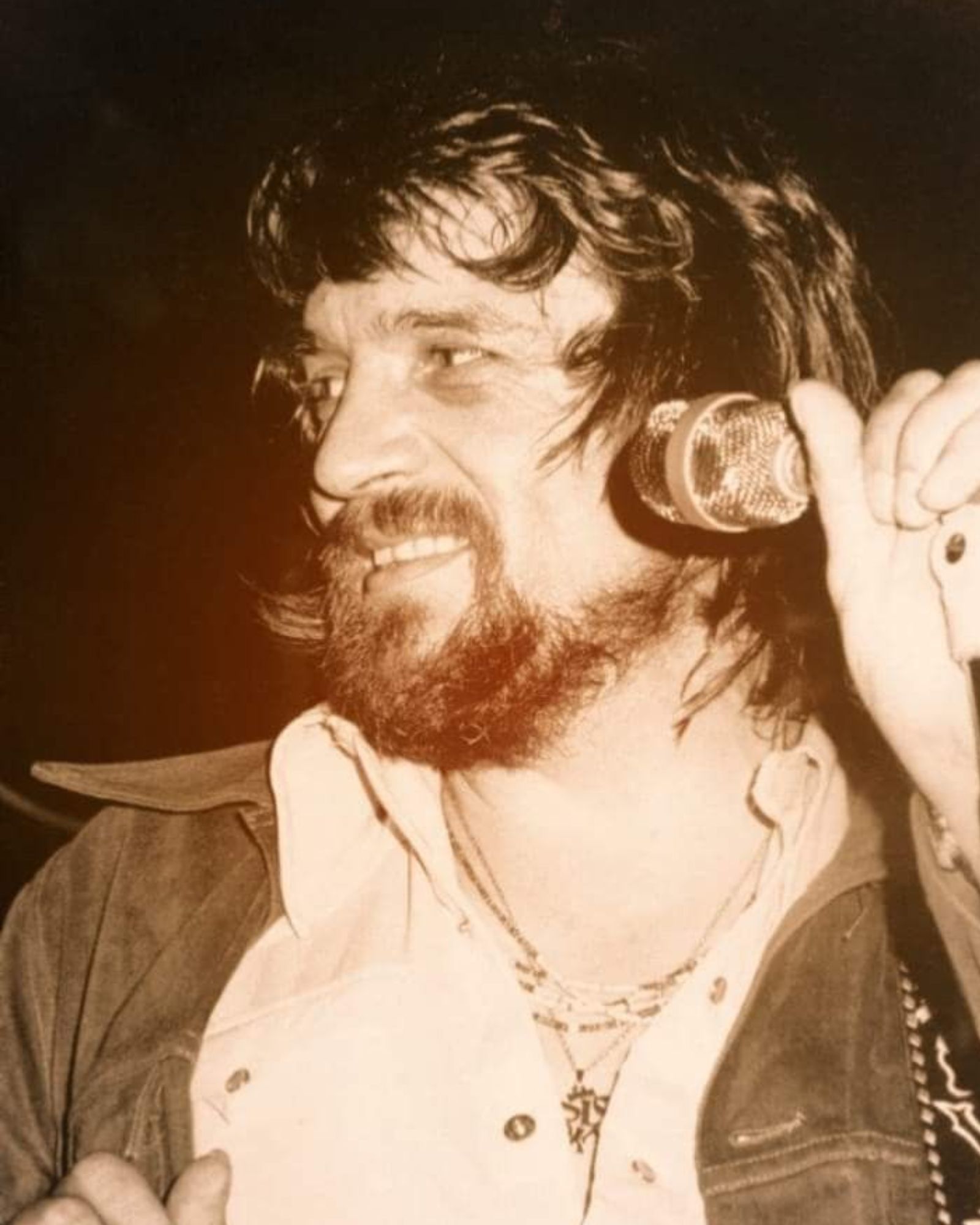
On January 28, 1985, Waylon Jennings arrived at A&M Studios in Los Angeles for an extraordinary recording session. Dozens of famous singers were gathering to make a charity record for African famine relief. By the time the night was over, the gathering would also produce a memorable story about Waylon Jennings leaving during a disagreement over the lyrics.
The song was “We Are the World,” written by Michael Jackson and Lionel Richie, with Quincy Jones directing the session. Willie Nelson and Kenny Rogers were among the country artists participating alongside stars from pop, rock, and soul.
The difficulty that prompted Waylon Jennings to leave concerned a small section of the chorus—and what, exactly, the assembled singers should say.
A phrase without a settled meaning
In the detailed account “Woodstock in the Studio,” journalist David Breskin described a discussion that developed after the chorus reconvened in the early morning. The guide vocal contained a series of phonetic sounds rather than a clearly meaningful phrase.
Stevie Wonder proposed singing the passage in Swahili and played a recording intended to demonstrate the pronunciation. The suggestion opened a wider discussion about language, meaning, and the audience the record was trying to reach.
Bob Geldof questioned the suitability of Swahili for a project responding to the famine in Ethiopia. Al Jarreau worried about getting the wording wrong. Cyndi Lauper and Paul Simon favored finding something meaningful to sing in English.
David Breskin’s account shows how a short passage became a group songwriting discussion in the middle of an already demanding recording session. Quincy Jones had to guide the conversation toward words the singers could agree to record.
The departure remembered by witnesses
The documentary The Greatest Night in Pop revisited that night through archival footage and interviews with participants. Among the recollections was an account from cameraman Ken Woo, who remembered hearing Waylon Jennings respond to the proposed language change.
“Well, ain’t no good ol’ boy ever sung Swahili. Think I’m out of here.”
Lionel Richie also recalled the departure in the documentary:
“We lost Waylon right there.”
Those recollections establish the connection between the argument and Waylon Jennings leaving. The available accounts do not provide a complete explanation of every consideration behind the decision, and retelling the incident does not require inventing one.
The disagreement continued among the remaining singers. Eventually, the group settled on the English phrase “One world, our children.” David Breskin recorded the exchanges that led to that choice, including Al Jarreau’s efforts to find words with a clear meaning.
The name that remained in the credits
Waylon Jennings’s departure is often presented as the end of the story. The finished record leaves an additional detail worth preserving: Waylon Jennings remained credited among the chorus singers.
Accounts differ about whether Waylon Jennings returned to the studio. Taste of Country explicitly acknowledges that uncertainty while noting the chorus credit. The credit itself does not establish the precise sequence of Waylon Jennings’s movements that night.
The distinction matters because a dramatic exit can become a much simpler story with every retelling. The documented events are specific enough: Waylon Jennings came to participate, a proposed Swahili passage prompted a debate, and witnesses remembered Waylon Jennings leaving during that discussion.
The session carried on through the night, and the disputed passage was resolved in English. On the finished project, among the many names brought together for famine relief, Waylon Jennings’s name was still there.