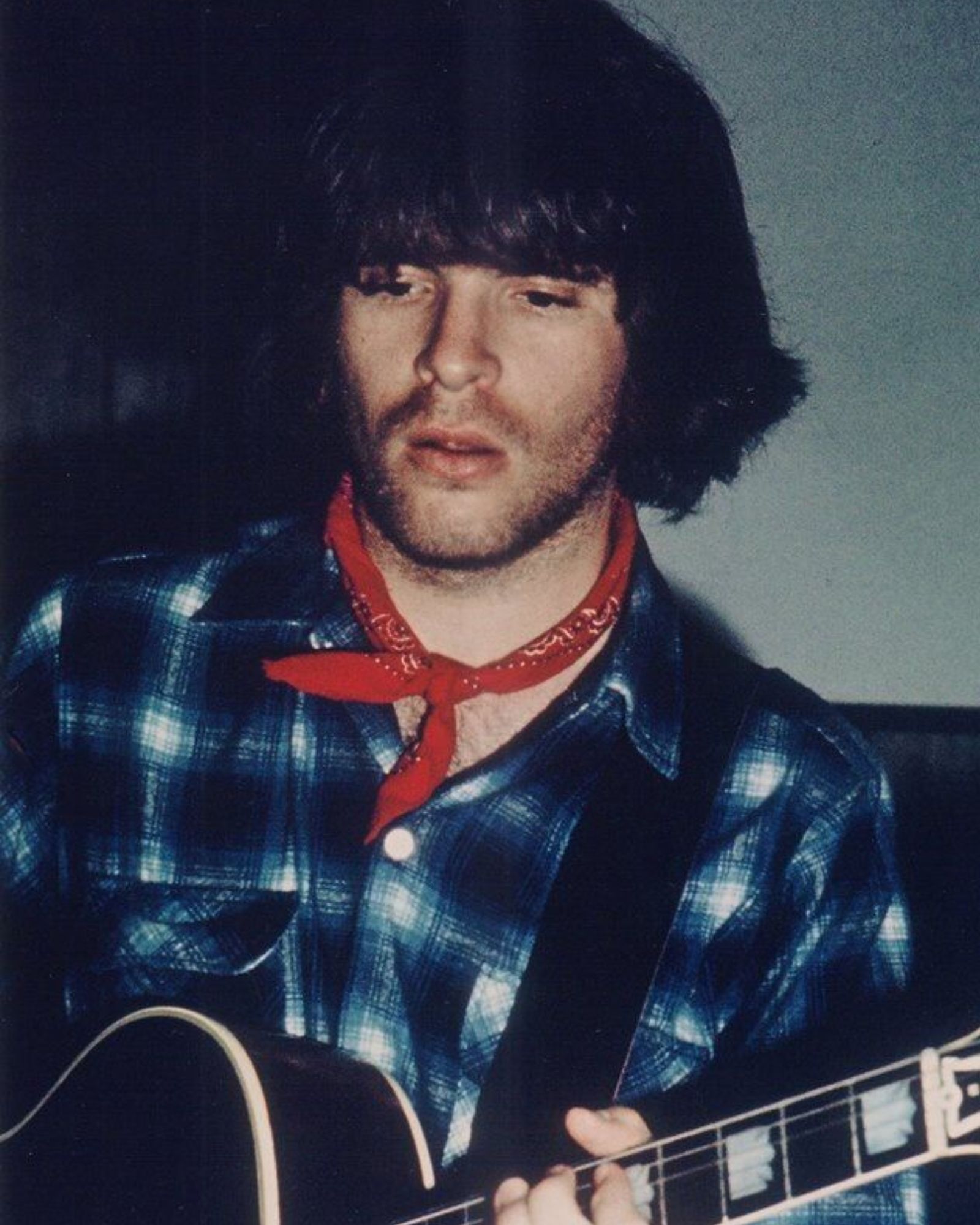
In the music business, songwriters get accused of stealing from each other all the time. But in 1988, John Fogerty walked into a courtroom facing one of the strangest charges in rock and roll history. He was accused of plagiarizing himself.
The songs at the center of it were “Run Through the Jungle,” a 1970 Creedence Clearwater Revival hit, and “The Old Man Down the Road,” the comeback single from his 1985 solo album Centerfield.
Songs He Wrote but Didn’t Own
John Fogerty wrote and sang almost all of Creedence Clearwater Revival’s biggest songs, from “Proud Mary” to “Fortunate Son” to “Bad Moon Rising.” But the band was signed to Fantasy Records, owned by Saul Zaentz, under a contract Fogerty came to see as deeply unfair. The publishing rights to his songs belonged to the label, not to him.
After the band broke up, Fogerty spent years trying to free himself. In 1980, to finally get out of his Fantasy deal, he gave up his rights and royalties to the Creedence songs. He was so bitter about it that for years he refused to sing his old Creedence hits in concert.
The Comeback and the Lawsuit
In 1985, Fogerty returned with Centerfield on Warner Bros. The album was a big success, and “The Old Man Down the Road” became a Top 10 hit.
The same album also included two songs widely understood as shots at his old boss: “Mr. Greed” and “Zanz Kant Danz.” Zaentz sued for defamation, and the second song was renamed “Vanz Kant Danz.” That case was later settled.
But Fantasy also filed a copyright lawsuit. The label claimed “The Old Man Down the Road” was essentially “Run Through the Jungle” with new lyrics. Since Fantasy owned “Run Through the Jungle,” the claim meant John Fogerty had copied a John Fogerty song that legally belonged to someone else.
A Guitar on the Witness Stand
The trial began in San Francisco in late October 1988 and lasted about two weeks. Fogerty, then 43, spent a day and a half testifying. And he did something few witnesses ever do: he brought his guitar.
On the stand, he played for the jury and walked them through how he wrote songs. His argument was simple. Both songs came from the same writer working in the same swampy style he had made famous. Of course they shared a family resemblance. That did not make one a copy of the other.
The jury agreed and found in Fogerty’s favor.
All the Way to the Supreme Court
Winning did not end it. Fogerty had spent heavily on his defense, so he asked the court to make Fantasy pay his attorney’s fees. Lower courts turned him down, because at the time it was much harder for a winning defendant to recover fees than a winning plaintiff.
Fogerty kept fighting. On December 8, 1993, the U.S. Supreme Court heard his case, and in 1994 it ruled in his favor. The decision in Fogerty v. Fantasy said winning defendants and winning plaintiffs should be treated the same way when it comes to fees. It is still cited in copyright cases today.
The Scar It Left
The case stayed with him. Fogerty later wrote that it took him years to write a song anywhere near the territory of “The Old Man Down the Road,” because some part of him worried he would be sued again.
Saul Zaentz died in 2014. Even then, Fogerty made it clear he had not forgiven him.
Getting His Songs Back
Things began to change after Concord took over the Fantasy catalog. Fogerty’s royalties were restored at a higher rate, and he slowly made peace with performing his Creedence songs again.
Then, in January 2023, he announced that he had bought a majority interest in the worldwide publishing rights to his Creedence songs. More than 50 years after he wrote them, he said he was finally reunited with his songs. He told Billboard:
“I’m the dad [of these songs]. I created them.”
In 2025, he re-recorded 20 of those classics with his family for the album Legacy: The Creedence Clearwater Revival Years. In 2026, at 81, he has been on the road with his Legacy Tour, and in June he received the Songwriters Hall of Fame’s highest honor, the Johnny Mercer Award.
Not bad for a man who once had to prove in court that he was allowed to sound like himself. Which John Fogerty song is your favorite?